

Otoplasty in Plano & Dallas, TX
Otoplasty can create a significant and unmistakable improvement for patients who feel their ears sit too far from the head, look uneven, or draw more attention than they should. The change may be small in measurement, but the effect can be striking because the ears help frame the face from the front, side, and three-quarter views.
Prominent ears can affect how a person wears their hair, how they feel in photographs, and how balanced the face appears overall. Some patients have always felt self-conscious about their ears. Others notice asymmetry, shape changes, or an ear position that makes the face feel less refined.
Otoplasty, sometimes called ear pinning surgery, is designed to reshape, reposition, or refine the ears so they sit in better balance with the face and head. The procedure can create a more natural ear position, improve symmetry, and reduce the sense that the ears are pulling attention away from the rest of the face.
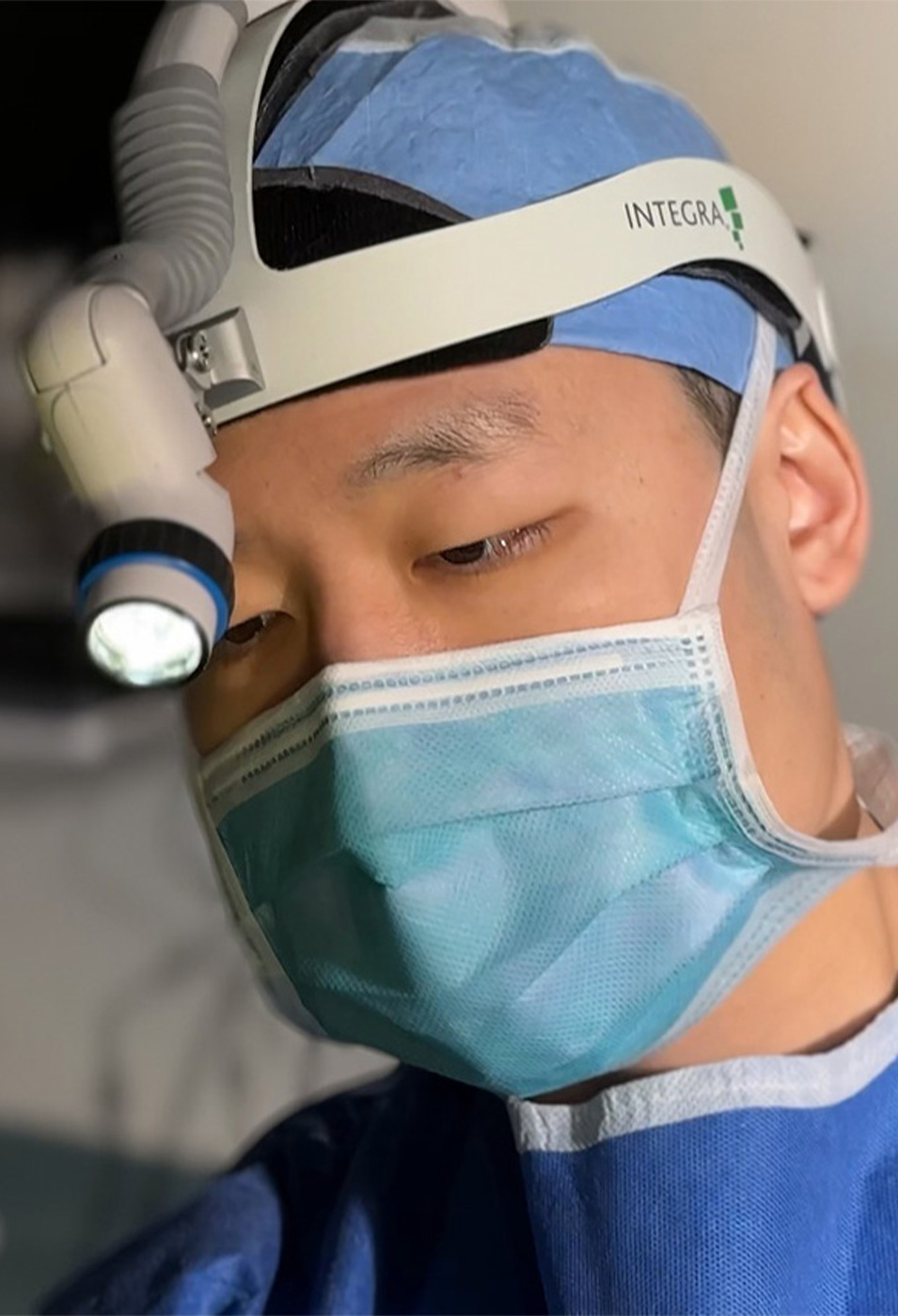
Dr. Derek Sheen approaches otoplasty with careful attention to ear anatomy, facial balance, and proportion. The goal is not to make the ears look overly pinned back or surgically flattened. A strong result should look natural, stable, and fully integrated with the patient’s face.
For some patients, otoplasty can be performed on its own. For others, the most complete result may involve related facial procedures such as earlobe repair, rhinoplasty, facelift surgery, neck lift surgery, or facial fat grafting when broader facial balance is also part of the concern.
Dr. Sheen’s goal is a natural but remarkable improvement: ears that look better positioned, more balanced, and less distracting while still looking normal and unoperated.
Continue reading to learn more about otoplasty in Plano, TX, or schedule a consultation online today. Dr. Sheen sees patients from Plano, Dallas, Frisco, Flower Mound, Highland Park, Park Cities, Southlake, Fort Worth, throughout North Texas, and across the DFW metroplex.
Quick Links
What Is Otoplasty?
Otoplasty is a plastic surgery procedure that changes the shape, position, or projection of the ears. It is often performed to bring prominent ears closer to the head, improve asymmetry, create better ear shape, or refine ears that look too large, protruding, or uneven.
The ears are made of cartilage covered by skin. In many patients with prominent ears, the cartilage has a shape or position that causes the ears to project outward. This may involve an underdeveloped antihelical fold, excess conchal cartilage, asymmetry between the ears, or a combination of structural factors.
A strong otoplasty result should feel restorative and balanced, with ears that sit more naturally without looking flattened or artificial.
Otoplasty may be appropriate for patients who notice:
- Ears that stick out too far from the head
- One ear that protrudes more than the other
- Ear asymmetry
- A weak or underdeveloped natural ear fold
- A large or prominent conchal bowl
- Ears that look too visible from the front
- A desire to wear their hair back with more confidence
- A previous otoplasty result that looks uneven or overcorrected
- Earlobe shape or position concerns that affect the lower ear
- A desire for a more balanced relationship between the ears and face
Is Otoplasty Performed Alone or With Other Procedures?
Otoplasty is often performed on its own when the main concern is ear prominence, shape, or asymmetry.
In other patients, otoplasty may be performed alongside another facial procedure. This combination can make sense when ear concerns are part of a broader facial balancing plan or when another small detail is being refined at the same time.
Some patients may benefit from otoplasty combined with:
- Earlobe repair when the earlobe is torn, stretched, or misshapen
- Rhinoplasty when nasal shape and ear projection both affect facial balance
- Facelift surgery when lower facial aging is being addressed
- Neck lift surgery when jawline and neck definition are part of the plan
- Facial fat grafting when volume balance affects overall facial harmony
- Skin resurfacing when skin quality is also being improved
These procedures are not added automatically. Dr. Sheen recommends them only when they support a more comprehensive, complete, and natural result.
Why Does Ear Position Matter?
When the ears project too far from the head, they can become one of the first things people notice. This may be especially visible in photographs, short hairstyles, pulled-back hairstyles, or side views. Even when the rest of the face is balanced, prominent ears can create a sense of distraction.
Several details can affect otoplasty planning:
- Ear projection
- Ear size
- Ear symmetry
- Cartilage strength
- Antihelical fold definition
- Conchal bowl depth
- Earlobe position
- Hairline and hairstyle
- Facial width
- Jawline and cheek structure
- Prior surgery or trauma
- Skin thickness and healing tendency
For Dr. Sheen, otoplasty works best when the ear is evaluated as part of the face rather than treated as a separate object. Substantial improvement depends on the patient’s anatomy, facial proportions, and how the ear looks from multiple angles.
Who Is a Good Candidate for Otoplasty?
A good candidate for otoplasty is usually someone bothered by prominent, protruding, uneven, or misshapen ears.
Common concerns may include:
- Ears that stick out too far
- Ears that look too visible from the front
- One ear that sits differently than the other
- Poor definition in the natural ear fold
- A large or deep conchal bowl
- Earlobes that protrude or sit unevenly
- A previous otoplasty result that looks unnatural
- A desire to wear shorter hair or pulled-back hairstyles more comfortably
- A desire for a more balanced facial appearance
The right candidate is also someone who wants meaningful improvement without an overcorrected look. Otoplasty can create a remarkable change, but the ears still need to look soft, natural, and appropriate for the face.
Some patients need only a small amount of refinement. Others need more substantial cartilage reshaping. Dr. Sheen determines the best approach after evaluating the ear structure, symmetry, healing history, and overall goals.
Dr. Sheen’s Approach to Otoplasty
The ear has curves, folds, shadows, and subtle transitions. If the ear is pulled too close to the head, the result can look flat or overdone. If the cartilage is not adequately reshaped or supported, the ear may remain prominent or gradually shift back outward over time.
Dr. Sheen evaluates the ear from the front, side, back, and three-quarter views. He studies the upper ear, middle ear, earlobe, cartilage fold, conchal bowl, ear-to-head angle, and symmetry between the two sides. He also considers how the ears relate to the face, jawline, cheeks, hairline, and overall appearance.
Depending on the anatomy, the surgical plan may involve:
- Creating or strengthening the antihelical fold
- Reducing excess projection from the conchal bowl
- Repositioning the ear closer to the head
- Improving symmetry between the ears
- Refining the upper, middle, or lower ear
- Adjusting earlobe position when necessary
- Revising a prior otoplasty result when appropriate
- Repairing stretched or torn earlobes when part of the concern
Dr. Sheen’s approach is measured and anatomy-driven, and his goal is to create better proportion, better shape, and a definitive result that still looks natural.
How Does Dr. Sheen Approach a Facial Plastic Surgery Consultation?
A remarkable otoplasty result begins with understanding what makes the ears look prominent, uneven, or out of balance.
Patients often come in saying their ears stick out, but the cause may be different from one patient to another. The issue may be an underdeveloped fold, a deep conchal bowl, earlobe projection, asymmetry, prior surgery, or a combination of structural concerns.
Dr. Sheen’s otoplasty consultations are organized around three concerns: perspective, expectations, and trust.
Perspective.
Dr. Sheen evaluates the ears from multiple angles and compares both sides carefully. He studies the cartilage folds, conchal bowl, earlobe position, ear-to-head angle, facial width, jawline, and overall facial balance. The goal is to understand what is actually creating the visible concern.
Expectations.
The conversation covers what otoplasty can improve, what it cannot, and what recovery realistically looks like. Dr. Sheen is direct about swelling, bandages, incision placement, asymmetry, cartilage memory, and the degree of correction that will look natural. A meaningful result should be noticeable, but it should still respect the shape of the ear.
Trust.
The consultation is meant to give patients clarity about the anatomy and the plan. For some patients, otoplasty is straightforward. For others, revision surgery, earlobe repair, or a more tailored approach may be necessary.
Otoplasty Cost in Plano & Dallas, TX
The cost of otoplasty in Plano and Dallas, TX, depends on the complexity of the procedure, whether one or both ears are treated, the amount of cartilage reshaping needed, anesthesia, facility fees, and whether the procedure is performed alone or with another facial procedure.
A straightforward ear pinning procedure may have a different cost than revision otoplasty, earlobe correction, or more complex ear reshaping.
During consultation, Dr. Sheen provides a personalized surgical plan and pricing based on the patient’s anatomy, goals, and the level of correction needed.
The Whole Face Approach to Ear Refinement
Dr. Sheen evaluates ear position in relation to the cheeks, jawline, neck, hairline, facial width, and profile. These details help determine how much correction will look natural. An ear that is corrected too aggressively can look as distracting as an ear that protrudes too much.
A patient may think both ears need the same correction, but one side may project more than the other. Another patient may notice the upper ear most, while the real issue is the conchal bowl or earlobe. Some patients have had prior otoplasty and need revision because the ear looks too flat, too sharp, or still too prominent.
This is where Dr. Sheen’s approach becomes comprehensive rather than formulaic. He studies the anatomy that creates the concern, then builds a plan around the patient’s actual ear shape.
For some patients, the key maneuver is restoring a more natural fold. For others, the most profound improvement comes from reducing projection, improving symmetry, or refining the relationship between the ear and earlobe.

Dr. Sheen’s Training and Experience
Dr. Sheen’s approach to otoplasty is shaped by his training in facial anatomy, cartilage reshaping, facial balance, and comprehensive facial plastic surgery.
He completed residency training at UT Southwestern, with surgical experience at Parkland Memorial Hospital and the Dallas VA. He then completed advanced facial plastic surgery fellowship training at NYU under three internationally recognized facial plastic surgeons: Dr. David Rosenberg, Dr. Matthew White, and Dr. Philip Miller.
During fellowship, Dr. Sheen trained in rhinoplasty, revision rhinoplasty, septoplasty, facelift surgery, brow and eyelid procedures, facial fat grafting, scar revision, and comprehensive facial rejuvenation. This matters because otoplasty requires the same principles that guide other facial procedures: precise tissue handling, structural support, symmetry, proportion, and respect for the patient’s natural features.
Dr. Sheen completed additional fellowship training at Asan Medical Center in Seoul, South Korea. During this fellowship, Dr. Sheen developed a broader exposure to and respect for different facial anatomies, aesthetic ideals, and cultural perspectives that helps strengthen this relationship.
Dr. Sheen also served as a clinical instructor at NYU, teaching resident physicians in the operating room while continuing to refine his own surgical approach.
His current technique reflects that background: careful planning, structural support, respect for facial identity, and a consistent focus on natural but unmistakable improvement.
SHEEN
What Does a Good Otoplasty Result Look Like?
The ears should sit closer to the head, but they should still have a natural shape, contour, and dimension. The upper ear, middle ear, and earlobe should look like they belong together. When both ears are treated, the goal is better symmetry, though perfect symmetry is not realistic because natural ears are never identical.
For Dr. Sheen, a successful otoplasty result is natural but unmistakable. The improvement can be significant and restorative, but the ear should not look altered unnaturally, flattened, or overcorrected.
What Happens During Otoplasty Surgery?
The surgical plan depends on the patient’s ear anatomy, cartilage strength, degree of projection, symmetry, prior surgery, and whether otoplasty is performed alone or with another procedure.
During otoplasty, incisions are usually placed behind the ear, where they are naturally less visible. Through these incisions, Dr. Sheen reshapes, repositions, or supports the cartilage to create a better ear position and contour. Sutures may be used to hold the cartilage in a more refined shape.
The purpose is not to flatten the ear against the head. The purpose is to restore a more natural relationship between the ear and the face. A well-planned otoplasty should improve projection while preserving the normal curves and folds that make the ear look natural.
When earlobe position is part of the concern, the lower ear may also be refined. When otoplasty is combined with another facial procedure, the plan is coordinated to ensure the final result looks cohesive.
The details are decided before surgery, based on the patient’s anatomy, goals, and overall treatment plan.
Otoplasty Recovery
Otoplasty recovery depends on the extent of surgery, the amount of cartilage reshaping, and whether the procedure is performed alone or combined with another facial procedure.
- The first few days are usually the most noticeable. Swelling, tenderness, tightness, and mild discomfort around the ears can be expected. Patients may wear a dressing or headband as directed by Dr. Sheen.
- Patients should avoid pressure on the ears during early healing. Sleeping position, clothing, headphones, and physical activity may need to be adjusted while the ears heal.
- By the end of the first week, many patients feel meaningfully better. Swelling and tenderness are still common, but discomfort usually improves.
- By two weeks, the ears often look more settled, though residual swelling can remain. Patients may continue wearing a headband at certain times depending on Dr. Sheen’s instructions.
- By four to six weeks, many patients return to more normal activity. Contact sports or activities that could bend or hit the ears may need to be avoided longer.
- Final refinement continues over several months. The ears gradually soften, swelling resolves, and the final shape becomes more stable.
Schedule an Otoplasty Consultation
Dr. Sheen sees otoplasty patients from Plano, Dallas, Frisco, Flower Mound, Highland Park, Park Cities, Southlake, Fort Worth, throughout North Texas, and across the DFW metroplex, as well as patients who travel for consultation.
An otoplasty consultation is personal, direct, and designed to clarify whether the concern is ear projection, ear shape, asymmetry, earlobe position, prior surgery, or a combination of structural issues. To request a consultation, call (972) 316-4555 or submit an inquiry online.
Dallas-Fort Worth Otoplasty FAQs
Is otoplasty the same as ear pinning?
Ear pinning is a common name for otoplasty, but otoplasty can involve more than simply pinning the ears back. It may include cartilage reshaping, fold creation, conchal reduction, earlobe refinement, or revision of a previous result.
Will otoplasty make my ears look too flat?
That should not happen with a well-planned otoplasty. Dr. Sheen’s approach is focused on improving ear position while preserving natural shape and contour.
Can otoplasty fix one ear?
Yes. Some patients only need one ear corrected when asymmetry is their main concern. Dr. Sheen evaluates both ears to determine what will create the most balanced result.
Can otoplasty improve ear asymmetry?
Yes, otoplasty can improve many types of asymmetry. Perfect symmetry is not realistic, but the goal is to make the ears look more balanced and less distracting.
Where are otoplasty incisions placed?
Incisions are usually placed behind the ear, where they are naturally less visible. The exact incision pattern depends on the patient’s anatomy and surgical plan.
Is otoplasty painful?
Most patients describe recovery as soreness, tightness, or pressure rather than severe pain. Discomfort is usually manageable with the postoperative plan provided by Dr. Sheen.
How long does swelling last after otoplasty?
Most visible swelling improves over the first few weeks, but the ears continue to settle over several months. Final refinement takes time.
Will I need to wear a headband after otoplasty?
Many patients wear a dressing or headband after surgery to protect their ears during early healing. Dr. Sheen will explain how long this is needed based on the procedure.
Can otoplasty be revised?
Yes. Revision otoplasty may be possible if a previous result looks overcorrected, undercorrected, uneven, or unnatural. Revision surgery requires careful planning because scar tissue and cartilage changes may be present.
Can otoplasty be combined with earlobe repair?
Yes. Otoplasty may be combined with earlobe repair when the earlobe is torn, stretched, prominent, or contributing to the overall ear shape concern.
How long do otoplasty results last?
Otoplasty results are intended to be long-lasting. The stability of the result depends on cartilage strength, surgical technique, healing, and postoperative care.
When can I exercise after otoplasty?
Light activity may resume relatively early, but strenuous exercise and contact activities should be avoided until Dr. Sheen clears the patient. The ears need time to heal before they are exposed to pressure or impact.
What if I am not sure whether my ears need otoplasty or another procedure?
That is common. Some patients notice the ears but are not sure whether the issue is projection, shape, earlobe position, asymmetry, or prior surgery. Dr. Sheen evaluates the anatomy and explains which approach makes the most sense.