

Revision Facelift Surgery in Plano & Dallas, TX
Patients considering revision facelift surgery often arrive with different histories. Some underwent facelift surgery many years ago and would like to restore definition through the jawline, neck, and lower face. Others have had surgery elsewhere and are interested in refining specific aspects of their result.
Revision surgery requires a different and more comprehensive level of analysis than a primary facelift. Previous surgery or interventions change the anatomy as scar tissue develops, and every patient’s surgical history is unique. Understanding those variables is an important part of determining what can be improved and which techniques are most appropriate.
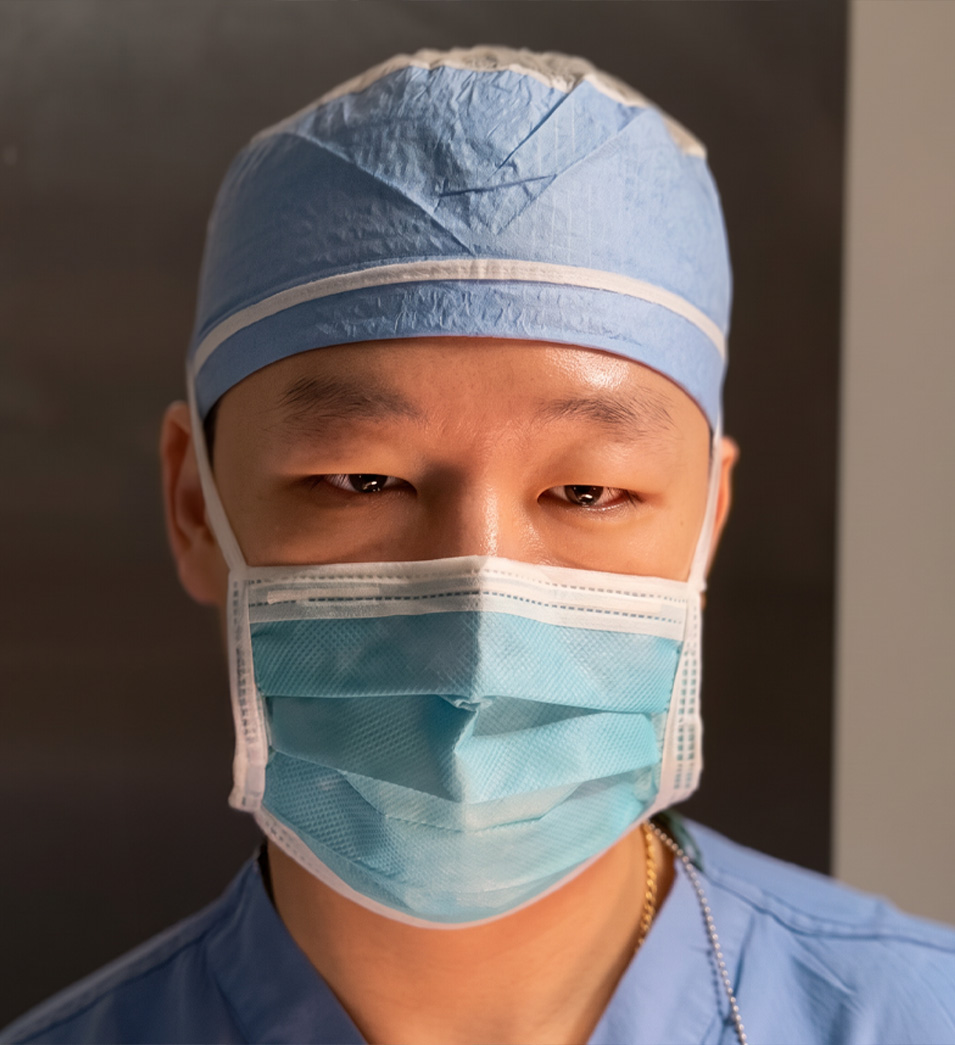
Dr. Derek Sheen approaches revision facial rejuvenation through complete evaluation, meticulous planning, and an emphasis on facial harmony. His preferred approach, the extended preservation deep plane facelift, allows him to address deeper structural changes while preserving healthy tissue, natural movement, and expression. The goal is a safe, comprehensive correction with powerful, transformative, and lasting results.
Continue reading to learn more about revision facelift surgery or schedule a consultation. Dr. Sheen sees patients in Plano, Dallas, Frisco, Flower Mound, Highland Park, Park Cities, Southlake, Fort Worth, throughout North Texas, and across the DFW metroplex.
Quick Links
What Is Revision Facelift Surgery?
Revision facelift surgery is performed on patients who have previously undergone facelift surgery and would like additional substantial improvement or correction of poor outcomes.
In some cases, a previous facelift produced a good result that gradually changed as facial aging continued. In others, patients feel the original surgery never fully addressed their concerns or caused problems such as underdone lifting, poorly shaped earlobes, bad scars, or contour abnormalities. The neck may remain heavy or too hollowed out, the jawline may lack definition, or the midface may continue to show signs of descent or hollowness despite surgery.
The reasons patients pursue Dallas facelift revision surgery vary, but several concerns appear frequently:
- Recurrent or persistent jowling
- Loss of jawline definition
- Neck laxity
- Persistent fullness beneath the jawline and chin
- Deepening nasolabial folds
- Midface descent
- Facial asymmetry
- Cobra neck deformity
- Pixie ear deformity
- Widened scars
- An overall result that feels incomplete
Many patients pursuing revision surgery are looking for a correction of deformities or a significant transformation that feels more complete, with stronger definition through the cheeks, jawline, and neck while remaining unmistakably natural and balanced.
The Extended Preservation Deep Plane Approach in Revision Surgery
One advantage of a deep plane approach in revision surgery is that it frequently works beneath the muscle and SMAS layers that are most affected by prior procedures. While scar tissue often develops closer to the surface, the deeper support structures responsible for facial contour and position can still be addressed directly.
Preservation refers to how the skin is handled. Skin dissection is kept deliberately conservative whenever possible, helping preserve circulation and maintain many of the natural connections between the skin and underlying tissues.
Extension refers to the deeper dissection. Particular attention is given to releasing the retaining ligaments of the midface and cheeks more comprehensively. This allows tissues to be repositioned more effectively and often produces more substantial improvement through the cheeks, jawline, and neck.
The cheek occupies a central position within the face. When it descends, it contributes to folds around the mouth, heaviness along the jawline, and changes in overall facial shape. Addressing this region comprehensively often influences multiple areas simultaneously.
The same principle applies to revision surgery as it does to primary surgery: meaningful improvement comes from addressing the deeper muscle and SMAS structures responsible for facial aging in a more comprehensive manner, rather than relying primarily on the skin.
The Whole Face Approach: Comprehensive Facial Rejuvenation
A revision facelift addresses the lower face and neck, but those areas represent only part of the aging process.
Facial aging affects the brows, eyelids, temples, cheeks, jawline, chin, neck, and skin quality at different rates. Evaluating one area without considering the others can create a result that feels incomplete.
During consultation, Dr. Sheen evaluates:
- Brow position
- Upper and lower eyelids
- Facial volume distribution
- Midface support
- Nasolabial folds
- Jowl position
- Buccal fat prominence
- Jawline definition
- Chin projection
- Neck contour
- Skin texture and quality
The relationship between these structures often influences how the face is perceived as a whole. Dr. Sheen thoroughly evaluates the prior surgery and will tailor a plan to preserve the healthy tissue. A well-performed facelift should not inherently compromise future rejuvenation.
For some patients, revision facelift surgery alone provides the appropriate correction. Others may benefit from adjunctive procedures such as facial fat grafting, blepharoplasty, a brow lift, chin augmentation, buccal fat reduction, submandibular gland reduction, or laser resurfacing. These comprehensive recommendations are based on anatomy and facial balance rather than a predetermined treatment plan.
How Does Dr. Sheen Approach a Revision Facelift Consultation?
Revision surgery requires a detailed understanding of both the patient’s goals and their previous procedure.
Many patients arrive with questions about what can realistically be improved and how revision surgery differs from their original experience. These conversations are often more nuanced because prior surgery has already altered the anatomy.
Dr. Sheen’s consultations are organized around three concerns: perspective, expectations, and trust.
Perspective.
The consultation begins by understanding the patient’s concerns and evaluating how those concerns relate to facial anatomy. Features are reviewed together in front of a mirror to distinguish between structural descent, volume loss, skin quality changes, and normal age-related changes.
Expectations.
The conversation covers what can be improved, what limitations may exist, and what recovery is likely to involve. Revision surgery can produce significant improvement, but every face has anatomical constraints that should be discussed openly.
Trust.
The decision to undergo surgery should never be rushed. Patients should understand why a recommendation is being made and feel comfortable asking questions throughout the process. Trust established during consultation often becomes an important part of the surgical experience itself.
What to Expect at Your Revision Facelift Consultation
The discussion focuses on the patient’s goals, current anatomy, medical history, and previous surgical history.
When available, prior operative reports are reviewed to provide additional insight into the original procedure. This information can be useful when planning a revision.
Some patients are candidates for revision facelift surgery alone. Others may benefit from combining procedures to create a more comprehensive result.
Patients leave with a clear understanding of the recommended plan, expected recovery, potential limitations, and associated costs.

Dr. Derek Sheen’s Training and Experience
Dr. Sheen’s interest in facial aesthetics began before medical school. While attending Boston College, he worked as a barber, developing an appreciation for facial proportions, individual features, and the trust involved when helping someone change their appearance.
He completed residency training at UT Southwestern, including extensive experience at Parkland Memorial Hospital and the Dallas VA. This training provided exposure to both complex reconstructive surgery and advanced cosmetic procedures.
He later completed an advanced facial plastic surgery fellowship at NYU under internationally recognized facial plastic surgeons Dr. David Rosenberg, Dr. Matthew White, and Dr. Philip Miller. Training under multiple mentors provided exposure to different techniques, surgical philosophies, and aesthetic perspectives.
The fellowship included extensive experience in primary facelift surgery, revision facelift surgery, rhinoplasty, brow lifting, eyelid surgery, and comprehensive facial rejuvenation.
Dr. Sheen also served as a Clinical Instructor at NYU, teaching resident physicians in the operating room and contributing to research focused on contemporary facial rejuvenation techniques.
During his transition from New York to Dallas, he completed a fellowship in Seoul, Korea at Asan Medical Center under Professor Jong Woo Choi, Chief and Professor of Plastic and Reconstructive Surgery. The fellowship gave him direct exposure to advanced facelift techniques from surgeons at the center of Korea’s global reputation in facial aesthetics, insight he has brought back into his own approach to facial rejuvenation.
His current approach reflects the most refined aspects of that training while remaining individualized to each patient’s anatomy and goals.
SHEEN
What Does a Good Revision Facelift Result Look Like?
Most patients seeking revision surgery are looking for a more complete improvement than they achieved previously or to fix issues that have arisen from prior surgery.
After a successful surgery, the neck appears tighter and more refined, the jawline and jowls appear cleaner and more defined, the cheeks regain support and projection, and facial contours feel more balanced from multiple angles and during facial expression.
Many patients describe wanting a result that feels substantial without appearing artificial. The face should remain recognizable and expressive, but the improvement in contour, support, and definition should be remarkable and unmistakable.
Revision Facelift Recovery
Recovery following revision facelift surgery varies depending on the extent of the previous procedure and the amount of correction being performed. A detailed recovery timeline is reviewed during consultation and tailored to the individual patient.
- The first several days (usually days 2–5) are typically associated with the greatest degree of swelling and bruising.
- By the end of the first week, many patients begin noticing meaningful improvement in comfort and appearance.
- Two to three weeks after surgery, most patients feel comfortable being seen socially with minimal effort to conceal residual swelling or bruising.
- Light exercise often resumes three to four weeks after surgery, depending on the specifics of the procedure.
- Significant refinement continues over the first several months.
- Final settling of the deeper tissues may continue for six to twelve months.
Schedule a Revision Facelift Consultation
Dr. Sheen sees patients from Plano, Dallas, Frisco, Flower Mound, Highland Park, Park Cities, Southlake, Fort Worth, throughout North Texas, and across the DFW metroplex, as well as patients who travel specifically for facial rejuvenation surgery. Revision facelift consultations are thorough, individualized, and designed to provide a clear understanding of available options and expected outcomes.
To request a consultation, call (972) 316-4555 or submit an inquiry online.
Revision Facelift Dallas-Fort Worth – FAQs
Why do patients seek revision facelift surgery?
Patients pursue revision facelift surgery for different reasons. Some had a facelift many years ago and are noticing complications such as poorly positioned earlobes or areas of recurrent aging through the jawline, neck, and lower face. Others feel certain concerns were never fully corrected by their original procedure.
Common reasons for revision include recurrent jowling, neck laxity, loss of jawline definition, deepening folds around the nose and mouth, or an overall result that feels incomplete. During consultation, Dr. Sheen discusses the areas patients are concerned about, evaluates which changes are related to aging, which are related to the previous surgery, and which improvements remain achievable through revision surgery.
Is revision facelift surgery more difficult than a primary facelift?
Generally, yes. Previous surgery changes the anatomy, creating scar tissue and altering the normal tissue planes surgeons encounter during a primary facelift.
These changes often require more individualized planning and surgical decision-making. Every revision procedure is different because every previous facelift is different. The surgical approach depends on the patient’s anatomy, the techniques used during the original surgery, and the goals of the revision.
Can a deep plane facelift be performed after a previous facelift?
Yes, in many cases, a deep plane technique is the best suited technique for revision surgery because it works beneath the layers where previous scarring is most likely to occur and addresses tissue laxity in the most comprehensive way.
By releasing the retaining ligaments and repositioning deeper facial tissues, a deep plane approach can often address recurrent aging or areas that were incompletely corrected during a previous procedure. Whether this is appropriate depends on the patient’s anatomy, medical and surgical history, and goals.
How long should I wait before considering revision facelift surgery?
In most cases, patients should wait at least one year after their original facelift before pursuing revision surgery.
Facial tissues continue to heal and settle for many months after surgery. Swelling resolves gradually, scars mature, and contours continue to evolve. Waiting allows the final result of the original procedure to become apparent before making decisions about additional surgery.
Will my old facelift scars be removed?
Existing scars are often incorporated into the revision facelift whenever possible. In some cases, scar placement can be improved or areas of widened scarring can be revised.
The extent of scar improvement depends on the quality of the existing scar, its location, skin type, and the details of the previous surgery. During consultation, Dr. Sheen evaluates whether scar revision is appropriate as part of the overall surgical plan.
Why do facelift results fade over time?
A facelift repositions the deeper facial tissues into a more youthful anatomic position, but it does not stop the aging process. The face will continue to evolve with time and gravity, including ongoing changes in volume, skin quality, and gradual soft tissue descent.
The important distinction is that aging continues from an improved structural foundation rather than from the preoperative starting point. Most patients enjoy meaningful improvement for many years, and even as aging progresses, the face typically remains better positioned than it would have been without surgery. When a prior facelift has been performed thoughtfully, with appropriate preservation of healthy tissue and anatomy, it should not compromise the ability to achieve a beautiful result with future rejuvenation. If recurrent signs of aging eventually become significant, revision surgery can build upon that foundation to restore and further enhance the result.
Can a revision facelift address the neck as well?
Yes. Neck concerns are among the most common reasons patients seek revision surgery. Recurrent laxity, platysmal banding, fullness beneath the chin, and loss of jawline definition can often be addressed during the same procedure.
The specific techniques used depend on the patient’s anatomy and previous surgery, but neck rejuvenation is frequently an important component of revision facelift planning.
What does a successful revision facelift result look like?
A successful revision facelift should appear natural while providing a meaningful improvement in facial contour and definition.
The jawline should appear cleaner, the neck more refined, and the cheeks better supported. Facial proportions should feel balanced, and the face should continue to move and express naturally. Most patients are looking for a result that feels more complete than their previous surgery while still looking like themselves.